Why RAM Prices Shot Up in 2025 — And What to Expect in 2026

Mac vs Windows: Which One Should You Choose Based on Your Needs?
November 24, 2025
The Biggest Differences Between Mac and PC Diagnostics and Repair
January 20, 2026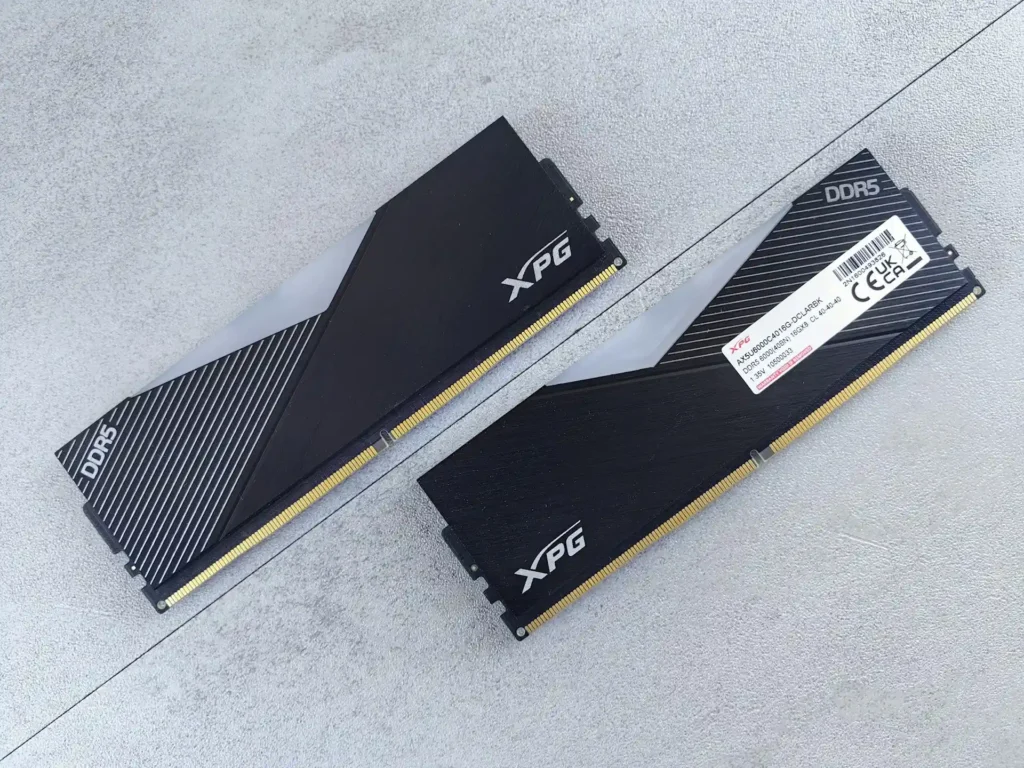
If you shopped for memory in 2025, you probably felt the sticker shock. Kits that were “cheap and cheerful” in 2023–2024 suddenly doubled (or worse) in price, and many retailers ran low on popular capacities. This wasn’t a fluke: it’s the product of overlapping forces—booming AI demand, tight supply, a shift in manufacturing toward high-bandwidth memory (HBM), and the industry’s classic boom-bust cycle.
This article unpacks why DRAM (desktop DDR5, server DDR5/LPDDR, and even some DDR4) got expensive in 2025 and what realistic scenarios look like for 2026, with practical buying advice for everyday users, gamers, and heavy-workload pros.
The short version
- AI set off a memory supercycle. Data centers buying GPUs also need unprecedented amounts of DRAM and, especially, HBM. Suppliers shifted capacity and capex toward HBM, tightening supply for “conventional” DRAM and pushing prices up.
- Contract and spot prices spiked through 2025. Industry trackers reported double-digit quarterly jumps in DRAM contract pricing and dramatic spot-price moves for 16Gb DDR5 ICs. PC builders publicly warned of steep increases.
- Supply can’t expand overnight. New cleanrooms, advanced packaging (for HBM), and process migrations take years. Capex is rising, but bit output growth is constrained into 2026.
Now let’s dig into the details—and what to do about it.
The root causes of the 2025 RAM surge
1) The AI/HBM vortex
The single biggest driver is the AI build-out. Training and serving large models require huge memory bandwidth and capacity. That pushed the market toward HBM (stacked DRAM with through-silicon vias), which commands far higher prices and margins than conventional DDR5. Suppliers naturally prioritized it. By 2025, HBM was on track to exceed 30% of total DRAM market value, siphoning engineering attention, capital expenditure, and cleanroom space. That leaves fewer wafers and slower node transitions for mainstream PC DRAM, so prices for “ordinary” RAM rise.
Industry revenue numbers reflect the pivot: 3Q25 DRAM revenue jumped ~31% QoQ, driven by higher conventional DRAM contract prices and growing HBM volumes. When both price and HBM mix increase at once, retail RAM gets squeezed.
2) A sharp turn in pricing momentum
Channel data showed an aggressive step-up through late 2025. For example, one widely quoted data point: the average spot price for 16Gb DDR5 ICs climbed rapidly in November/December. Large system builders warned end customers about big hikes. While headlines sometimes exaggerate (“500%”), the direction of travel was unmistakable: steep, fast increases.
3) Capacity takes time—and vendors are cautious
Even when the industry green-lights expansions, meaningful output lags by years. Cleanroom builds, EUV tool installs, and advanced packaging ramps don’t happen in quarters. Suppliers also remember past gluts: if they expand too fast and AI demand moderates, they risk idle lines. The result is measured capex growth (rising into 2026, but not a stampede) and bottlenecks that persist into next year.
TrendForce’s 2025/2026 outlook has DRAM capex climbing (from ~$54B in 2025 to ~$61B in 2026), but also flags cleanroom space and process constraints that limit bit growth—code for “prices won’t fall just because we’re spending more.”
4) DDR5 everywhere, DDR4 not dead
Desktop and laptop platforms have largely transitioned to DDR5—and while DDR5 manufacturing is mature now, the market shock of rising demand plus platform migration kept DDR5 kits under upward pressure. Meanwhile, DDR4 isn’t “free” either: as suppliers retool and allocate less to legacy nodes, DDR4 supply tightens, which can hold those prices up too. Some vendors even released boards that let users bridge DDR4 → DDR5 to survive the price wave, an implicit nod to DDR5 affordability issues.
What to expect in 2026
Forecasts are never perfect, but the most credible threads point to continued tightness through early–mid 2026, with select relief later in the year, depending on segment:
- Baseline view: Conventional DRAM prices continue rising into early 2026, moderating only as incremental capacity lands and demand normalizes. Consumer coverage has echoed this “gets worse before it gets better” theme.
- Segment nuance: Low-power DRAM (LPDDR) used in mobile and some servers may see mid-2026 relief (some projections estimate low double-digit cost declines by Q3), even as server and HBM stay tight. That doesn’t automatically translate to cheap desktop DDR5, but it’s a directional hint.
- Supplier behavior: With DRAM capex rising again in 2026, bit supply should improve, but HBM will still draw priority; if AI demand surprises to the upside (again), relief could slip further right.
In plain English: plan for elevated RAM prices through at least the first half of 2026, with possible softening in the back half—more likely for certain form factors than for the hottest desktop/server DDR5 SKUs.
What this means for different buyers (and what to do)
For everyday users (browsing, office apps, video, light multitasking)
- Target capacity: 16–32GB remains the sweet spot. Don’t overpay for speed bins that won’t change your day-to-day experience.
- If you’re on DDR4: You’re fine to stick with a stable 16–32GB DDR4-3200/3600 kit if your platform supports it. Performance in office/browsing won’t justify an expensive platform jump for RAM alone. Consider motherboards that support DDR4 today and DDR5 later only if the price is right.
- Buying window: If you find a fair price, buy and move on. Waiting for a “return to 2023 pricing” is wishful thinking in early 2026.
For gamers
- Capacity first: The practical floor in 2025/2026 is 32GB for modern titles and background tasks; 64GB helps creators who also game.
- Speed vs cost: On AM5 and recent Intel, DDR5-5600 to 6000 is a value sweet spot today; above that, returns diminish relative to cost.
- Strategy: If you’re building now, don’t let RAM hold the build hostage. Buy a 2-DIMM kit with room to expand later rather than mixing kits. If prices dip in late 2026, you can add an identical kit—otherwise you’ve protected yourself with enough capacity to ride it out.
- Watch the spot market trend, not the hype: Spikes in DRAM IC spot prices often precede retail moves by weeks; if they’re running hot, retail relief is unlikely in the short term.
For heavy workloads (video editing, 3D, data science, VMs, software build farms)
- Capacity matters more than a small MHz bump. For many pro workflows, 64–128GB (or more) is the performance lever; prioritize capacity and reliability (XMP/EXPO stability, QVL lists) over a boutique speed bin.
- ECC and platform choice: If you need ECC UDIMM/RDIMM, plan ahead—server/workstation DDR5 has been under even tighter pricing pressure due to the same macro drivers pushing HBM. Expect stubborn pricing into 2026 and buy through qualified channels.
- Stagger purchases: If you’re scaling a fleet, phase RAM buys quarterly to average out pricing and reduce the risk of getting caught at a peak.
- Expect “AI drag” on pricing: As long as HBM soaks up supplier bandwidth, conventional server DRAM will feel the collateral tightness.
New vs. “older but good” options
New mainstream DDR5
- For desktops on AM5 or Intel 12th-gen and newer, DDR5-5600/6000 CL30–36 is the rational target in 2025/2026. Above this, price/perf degrades quickly and availability becomes spikier during shortages.
Older but still solid
- DDR4-3200/3600 kits with sensible timings (e.g., CL16–18) remain great for older platforms. With supply shifting away from legacy nodes, prices won’t collapse—but you can still find value in reputable used or overstock channels when retailers rotate inventory.
- For laptops and mini-PCs, LPDDR4X/LPDDR5 pricing varies by model and is often soldered; in 2026 LPDRAM may see some mid-year relief first, but that’s more relevant to OEMs than end-users.
Will suppliers “fix it” quickly?
Not likely. Memory makers are investing, but expansions are paced and targeted. TrendForce expects DRAM capex to climb again in 2026, yet also warns that cleanroom space and advanced process migrations limit bit output growth—translation: supply improves, but not fast enough to crush prices if AI demand stays hot. Meanwhile, multiple reports indicate ongoing price hikes and tightness heading into 2026.
Practical checklist before you buy
- Decide capacity first. 16–32GB (everyday), 32–64GB (gaming/creation), 64–128GB+ (pro).
- Pick a sensible speed tier. DDR5-5600/6000 is the knee of the curve for most builds today.
- Buy matched kits, don’t mix. Two identical DIMMs are better than four mismatches, especially on DDR5.
- Check the QVL. Motherboard Qualified Vendor Lists reduce stability headaches.
- Track trends, not anecdotes. Contract and spot indicators drive retail—when they’re up, patience rarely pays in the near term.
Bottom line
2025’s RAM spike wasn’t random—it’s the predictable result of a historic AI build-out that diverted manufacturing and capex toward HBM while conventional DRAM demand also recovered. Suppliers are ramping investment, but meaningful relief takes time. The base case for 2026 is continued tightness into the first half, with pockets of easing later in the year, especially in some low-power/mobile segments; mainstream desktop DDR5 may see only gradual improvement unless AI demand cools more than expected.
For buyers, the winning strategy is simple: buy the capacity you need at a sensible speed, from a reputable brand, when you see a fair price. Don’t let the perfect kit delay your build. If broader memory pricing softens in late 2026, you can always add a matching kit—until then, ship your project and move on.